Best Time to Visit Florence, Italy | Ideal Seasons & Months


Discover the BEST time to visit Florence, Italy! Find out which months offer the perfect balance of fewer crowds and good weather to make the most of your trip!
Florence, Italy, is one of my favorite cities and holds a special place in my heart since I studied abroad here during college. Between the food, art, history, architecture, and gelato, it's hard not to fall in love with this Renaissance city!
Florence's historic center is small and walkable, with most major sights just a short stroll from one another. This compact layout makes the city feel quaint and charming during the quieter months, but it can also be a recipe for disaster when the crowds descend.
During peak tourist season, the narrow streets can quickly turn into a shoulder-to-shoulder sea of tourists. That's why it's worth doing a little research to find the best time to visit Florence, Italy, before booking your trip!
Honestly, Florence feels like two completely different cities depending on when you visit. If you've experienced the city during peak tourist season and then returned during the shoulder or low season, you know exactly what I'm talking about.
Florence in August, when many locals leave town and the streets are filled primarily with tourists, feels completely different from Florence in November. In November, you'll find a better mix of locals and visitors, with more opportunities to wander peaceful streets and enjoy a meal at a quieter restaurant.
So, when is the best time to visit Florence? Keep reading to find out which months offer the best combination of pleasant weather and fewer crowds, so you can plan a trip you'll love!
Pro Tip: Try to Plan Your Trip Around Weekdays
Before we get into the best months to visit Florence, I want to give you a quick warning about weekends! No matter what time of year you visit, Florence tends to get noticeably busier on Saturdays and Sundays.
It's a popular destination for Italians looking to shop, attend events, or enjoy a weekend getaway. I've noticed a considerable difference in crowd levels on the weekends, even during the quieter months like November.
If your schedule allows, plan your Florence visit for weekdays! Even if you're visiting during the shoulder or low season, avoiding the weekend crowds can make a noticeable difference in your experience.
Short and Sweet: The BEST time to visit Florence, Italy is late fall and early spring
If you want to avoid the worst of Florence's crowds, late fall and early spring are your best bet! Aim for April and early May or late October through November.
These months offer a better balance of decent weather and fewer tourists than the heart of peak season (late May through mid-October).
That said, Florence is a popular destination year-round, so don't expect empty streets or sights all to yourself. You'll still encounter crowds, but it should be more manageable than during the busiest months.


Autumn in Florence: September Through November
The best time to visit Florence for balancing weather and crowds
My personal favorite, and what I consider the best time to visit Florence, Italy, is autumn. Late October and early November are the sweet spot, offering a nice balance of decent weather and fewer crowds.
I'd also argue that fall is one of the best times to travel to Italy in general. In Florence, September highs average around 80°F, dropping to the low 70s in October and low 60s in November. Overnight temperatures also get noticeably cooler as the season progresses, so you'll want to pack layers.
Rain can be hit or miss depending on the year, but October and November are generally wetter months, with November typically seeing the most rainfall. Each time I've visited Italy in October (four times now), I've barely seen any rain and enjoyed plenty of autumn sunshine. That said, October weather can vary quite a bit from year to year. Some years are rainy and chilly, while others are absolutely glorious.
October has also become a popular month to visit, as Florence's tourist season seems to stretch longer and longer each year. While it's still generally less crowded than summer and often September, I'd recommend making reservations for major attractions and top restaurants in advance.
Late September typically brings highs in the 80s (and often hotter temperatures with recent weather trends) and slightly less rain than October. However, it also brings more crowds as tourists take advantage of the last stretch of warm weather and sunshine. In recent years, September has often felt just as crowded as summer.
If avoiding crowds is your priority, I'd recommend late October or November. Just keep in mind that November typically brings a higher chance of rain, so you'll want to pack accordingly.
On the other hand, if warm weather is important and your idea of a perfect Florence trip includes enjoying gelato on a sun-warmed bench and dining al fresco, late September through early October is your best bet. Just be prepared for fairly high crowd levels.
November is a great option if you don't mind cooler temperatures and a higher chance of rain. By this point, the number of tourists tends to drop considerably by Florence standards, making it easier to visit popular attractions and get a table at top restaurants.
Lower hotel rates, shorter lines at major sights, and easier restaurant reservations might just be worth the hassle of packing a jacket and umbrella!
Events to Consider When Visiting Florence in Fall
Fall is harvest season, making it a great time to pair your visit to Florence with trips to the surrounding regions of Tuscany. The grape harvest typically takes place in September and October, followed by the olive oil harvest in October and November. And if you're a foodie, autumn is also peak season for white truffles, with October and November being the best months to seek them out. You can even visit local truffle festivals, like the famous White Truffle Fair in San Miniato, held over several weekends in November.
Florence also hosts cultural events and its annual marathon in late November, which can affect hotel availability and traffic on certain dates. These events aren't necessarily a reason to avoid visiting, but it's worth checking the local calendar before booking your trip.
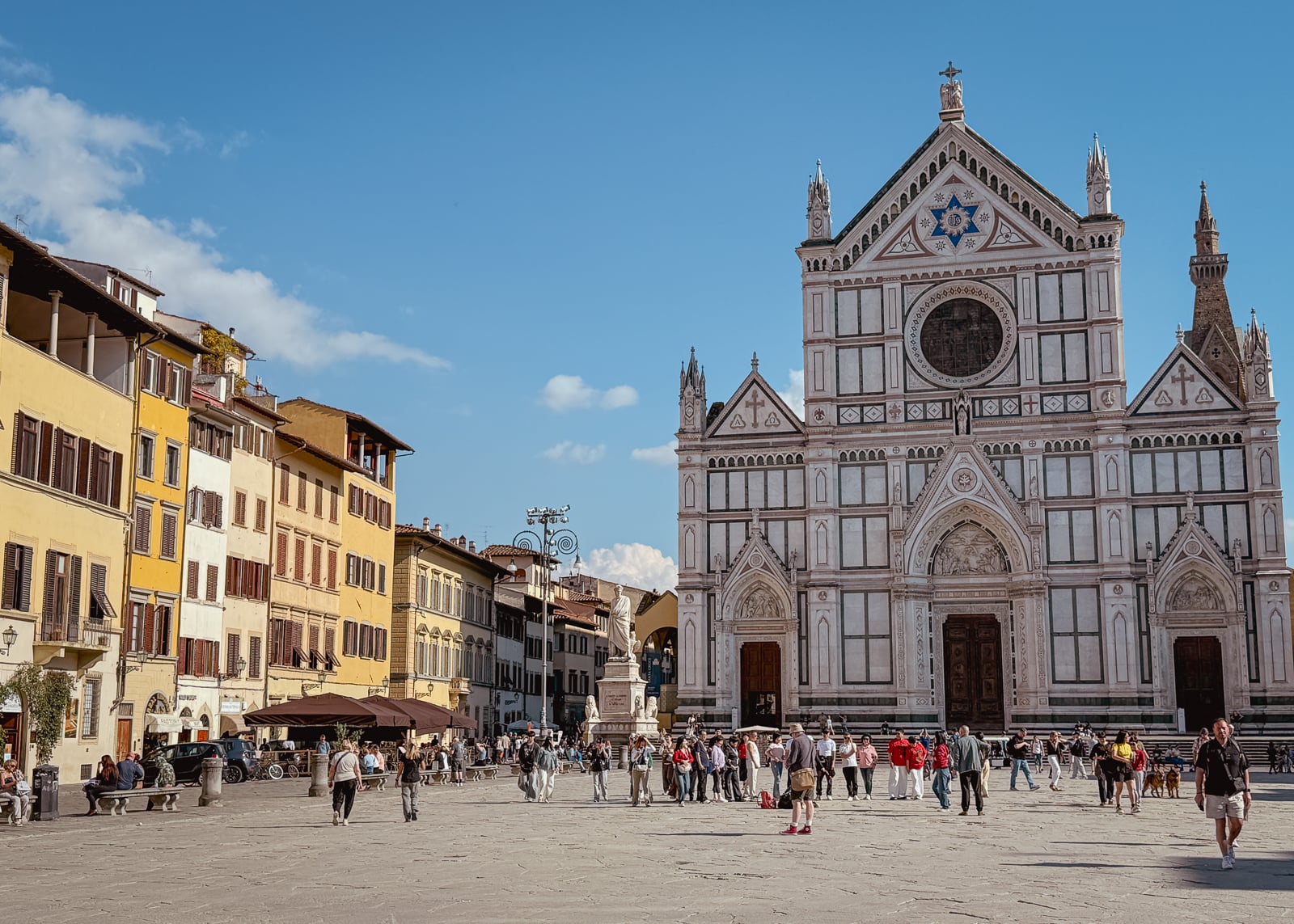
Santa Croce
SEE MY OTHER FLORENCE BLOG POSTS:
BEST VIEWS IN FLORENCE + MOST INSTAGRAMMABLE PLACES
FLORENCE VS ROME | WHICH IS BEST FOR YOUR TRIP TO ITALY?
BEST GELATO IN FLORENCE – TOP 5 FLORENCE GELATO SPOTS

Basilica di San Miniato - Florence in Spring
Florence in Spring: March Through May
The best time to visit Florence for mild weather before peak summer crowds
Spring is another great time to visit Florence, offering fewer crowds than the peak summer months and generally pleasant sightseeing weather. Rainfall tends to be lower than in late fall, although spring showers are still possible.
After fall, spring is my second favorite time to visit Italy.
Late March to mid-April can be the sweet spot in spring, with fewer tourists and potentially better hotel deals. The weather is still cool, with average highs ranging from the low 60s in March to the upper 60s in April. It's perfectly pleasant for runs along the river and exploring the city on foot, as long as you dress appropriately.
Pack a light coat, an umbrella, and layers for changing temperatures throughout the day. Spring weather can be unpredictable, but you can also get some lovely sunny days for sightseeing.
Late April and May bring warmer temperatures, more sunshine, and increasingly busy streets. If you're trying to avoid the worst of the crowds, I'd aim for late March or early April, outside of Easter week, or consider visiting in the fall instead.
By late spring, Florence can get packed, and the shoulder-to-shoulder crowds can take away some of the charm that makes this city so special.
Spring Events in Florence
Spring brings a few special events to Florence, with Easter being the biggest one to plan around. If you're visiting in late March or April, check the dates before booking, as Easter weekend can bring larger crowds and higher hotel prices.
- Easter Sunday: Scoppio del Carro, Florence's traditional fireworks display in Piazza del Duomo. Expect bigger crowds around Easter.
- Maggio Musicale Fiorentino (April–July): Annual opera and classical music festival.
- Iris Garden (late April–May): Seasonal blooms with views over Florence.

Florence in December
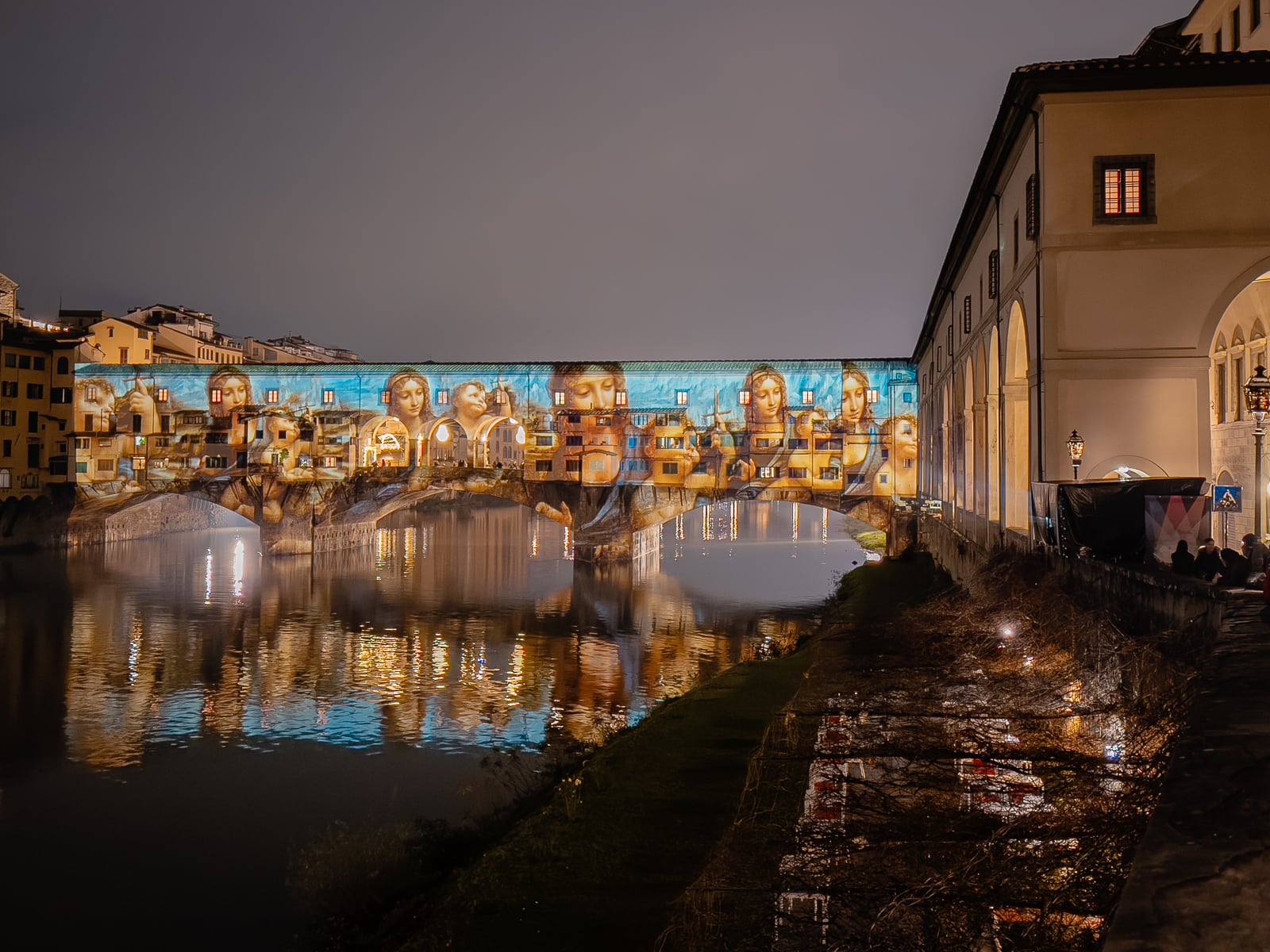
Ponte Vecchio - winter light shows
Winter in Florence: December Through February
The best time to visit Florence for budget travelers and a more local atmosphere
Outside of Christmas and New Year's, December through February can be the best time to visit Florence if you're looking for a more local atmosphere and the lowest visitor numbers of the year.
It's noticeably quieter this time of year and almost feels like a normal Italian city as tourist numbers subside. Even when crowds pick up on weekends for shopping or events, I've found the atmosphere feels more Italian and European compared to the international tourist scene Florence attracts during the busier months.
Florence doesn't go all out for Christmas like some other European cities, but the decorations and twinkle lights add a cozy charm that, in my opinion, makes up for the cooler temperatures.
If avoiding crowds is your priority, be aware that the weeks around Christmas and New Year's can get busier as people take advantage of the holidays. I'd opt for January or February instead, when visitor numbers are generally lower.
Temperatures in winter are manageable, with average daytime highs in the low-to-mid 50s and overnight lows in the mid-to-upper 30s. December is typically the wettest winter month, with around 3.2 inches of rain, compared to about 2.3–2.5 inches in January and February. Daylight is limited, too, with roughly 9 hours per day in December, increasing to around 10 hours in February. Pack a warm coat, layers, and an umbrella just in case.
Winter is my top recommendation for budget travelers. I've noticed a considerable difference in hotel prices during these months compared to the rest of the year.
Winter Events in Florence
- Christmas markets and lights (late November–early January): Seasonal markets, festive decorations, and light displays around the city.
- Epiphany procession (January 6): A traditional parade celebrating the arrival of the Three Wise Men.
- Pitti Uomo (January): A major international men's fashion event that brings industry visitors to Florence.
- Carnival (February): Seasonal festivities and traditional sweets, including cenci and frittelle.
If you're visiting around Christmas or during a major event, check dates in advance, as these periods can affect hotel prices and crowds.

Florence in June (not bad)...this will be double late June through early September

Duomo
Florence in Summer: June Through August
Summer is not the best time to visit Florence with intense heat, insane crowds, high prices, and fewer locals
Florence becomes almost unrecognizable during the summer. In fact, with the city's growing popularity, I'd extend the definition of "summer crowds and prices" to include mid-May through mid-September.
The city gets swamped with shoulder-to-shoulder crowds. My first experience visiting Florence at this time of year was during a summer trip when I traveled with collegiate basketball teams.
We were in Florence in August, and I can't believe I'm about to say this because Florence is one of my favorite cities, but I couldn't wait to leave. The combination of crowds and heat was oppressive.
Combine packed streets and long lines with hot weather, and you'll likely find yourself wishing you'd considered early spring, late fall, or winter instead. You'll need to book major attractions and popular restaurants well in advance, and hotel prices can be steep.
If summer is your only option, my biggest recommendation is to avoid August if possible and visit as early in the season as you can. June is generally a better bet than July or August if you're hoping to avoid the worst of the heat and crowds.
August is the one month I'd personally avoid when planning an Italy trip.
Temperatures can be brutal, and the city can feel less local than at other times of year. Many Italians take their own summer holidays, and some independent shops and restaurants close for part of the month. That said, Florence remains a major tourist destination, so don't expect the city to empty out just because locals leave.
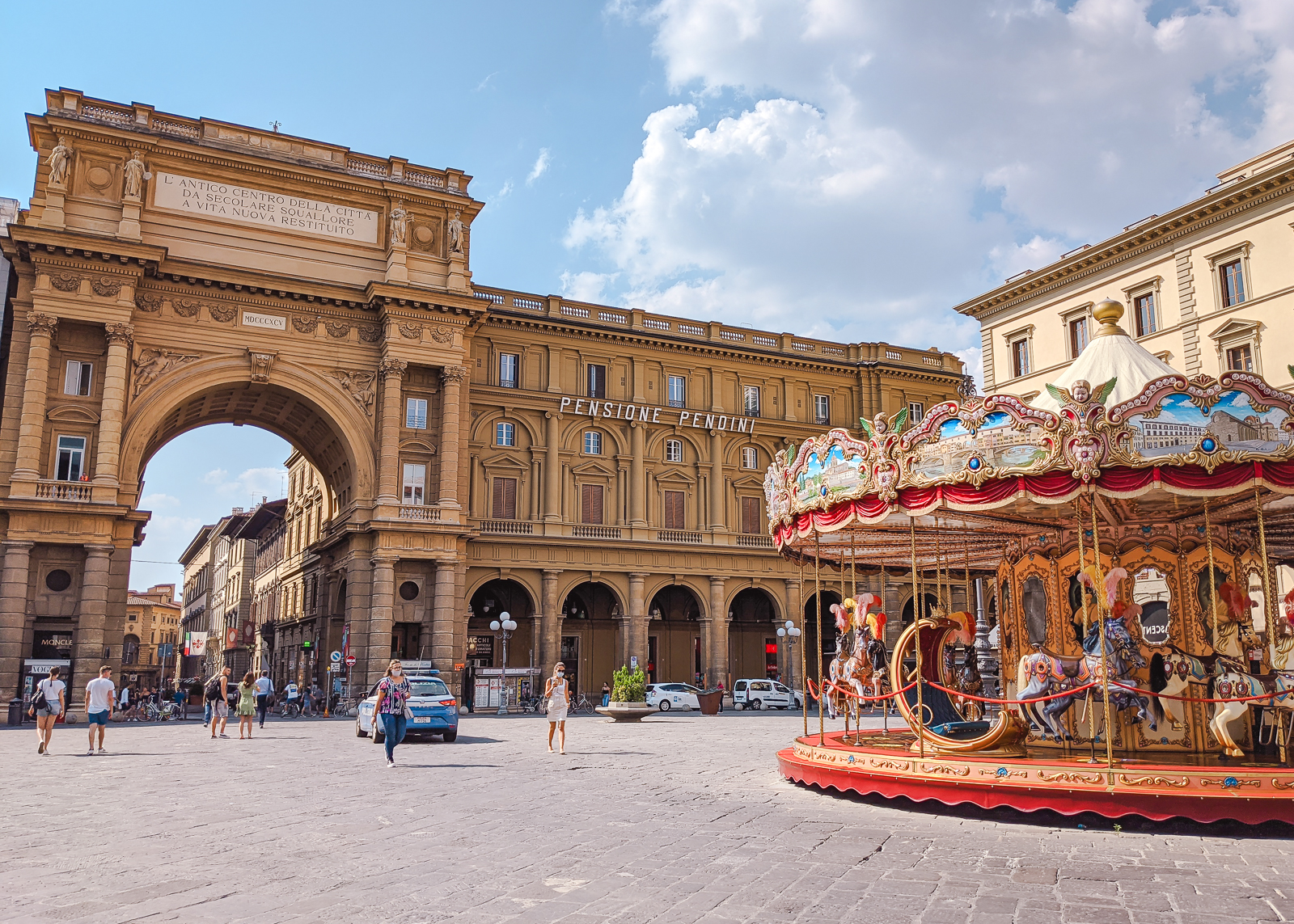
Summary of the Best Time to Visit Florence
For the best mix of fewer crowds and enjoyable weather, I'd recommend visiting Florence, Italy, from mid-October through November or from late March through mid-April.
Winter in Florence is actually fairly mild and has the added bonus of minimal crowds (outside of the Christmas season). If you don't mind cooler weather and want great hotel deals and the chance to experience the top sights and restaurants without a million other people, winter is a winner.
In general, I avoid summer because the heat can be intense, and the crowds can make the city feel almost unbearable. If summer is your only option, try to visit in early June, before the worst of the summer heat and crowds set in.
**FLORENCE HOTEL RECOMMENDATIONS**
Detailed blog post on where to stay in Florence
Luxury
- Rocco Forte Hotel Savoy
- The St. Regis Florence (Marriott)
- The Excelsior, Florence (Marriott)
- Hotel Lungarno - Lungarno Collection
- Hotel Bernini Palace
Midrange
Affordable 3-star and 4-star options (under $300 during high season):
Share the love and save this post on Pinterest!
best time to visit Florence, Italy