BEST Time to Visit England | Ideal Months and Seasons
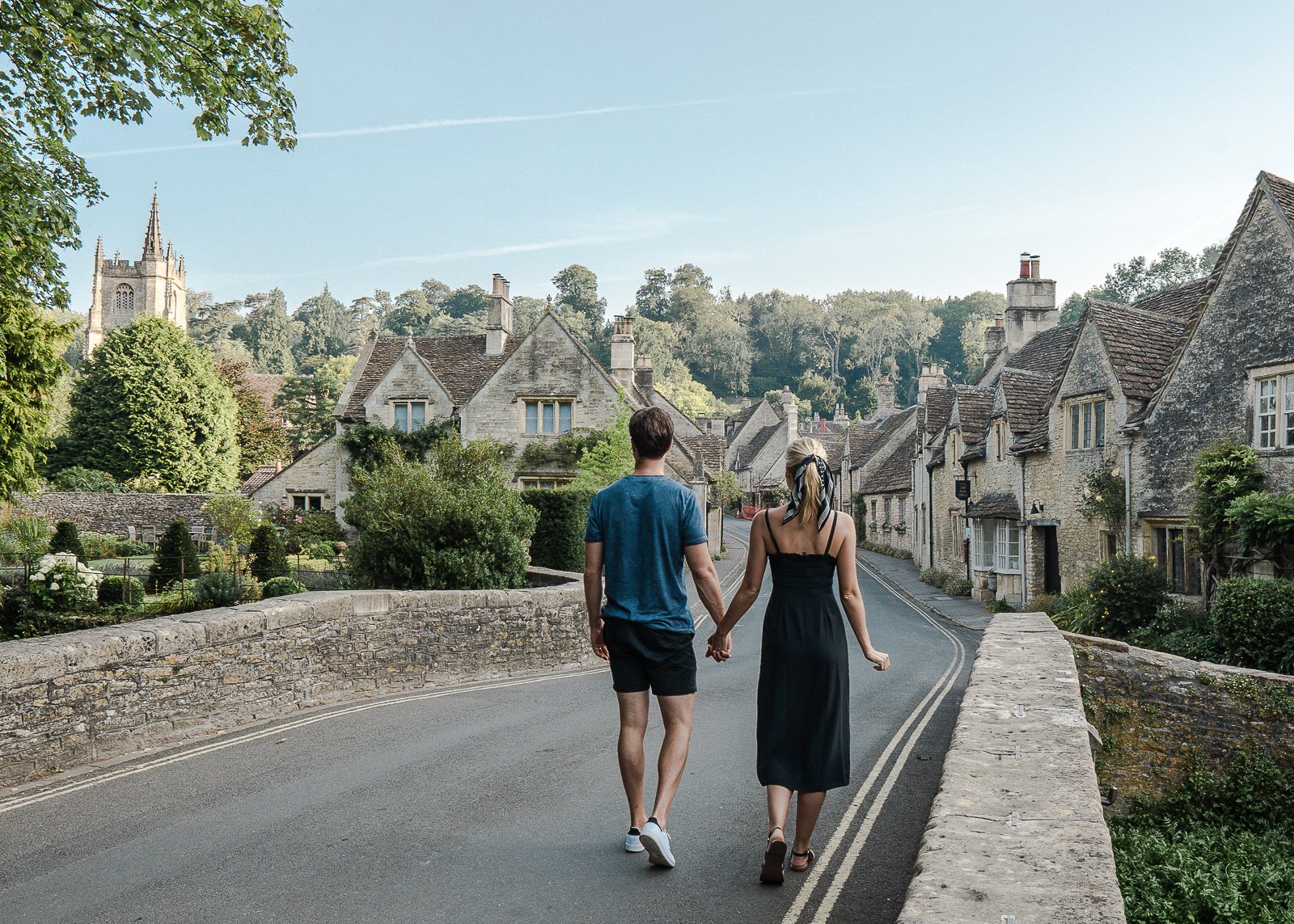
Discover the BEST time to visit England! Learn what to expect for crowds, weather, prices, and events for each month and season.
Between finicky weather and massive tourist crowds, it’s particularly important to research the best time to visit England before you book your plane tickets. Is a higher likelihood of good weather important enough for you to embrace the crowds? Or will you gladly deal with rain and cold to escape the tourist rush?
Either way, conducting your research beforehand helps avoid surprises so you know what to expect. I always find a trip is more enjoyable when you're aware of the circumstances…be that crowds, weather, festivals, or seasonal attractions.
Enough of the preamble…let’s dive into the best time to visit England! I’ll take you through each month and season so you can decide what makes the most sense for you.

Bath - Best Time to Visit England

Bath - Best Time to Visit England
Short and Sweet: The best time to visit England is late spring and early fall
The combination of fewer tourists and favorable weather in England in September through early October and late May through early June makes this the best time to visit England.
I find these months are the sweet spot for the average tourist hoping to escape the summer crowds. And while the weather is more predictable/warm in summer, I don't think it's worth dealing with packed tourist sights, high hotel prices, and lines to every attraction.
That's my short answer. Now, let's take a look at each season.
Summer in London - Best Time to Visit England

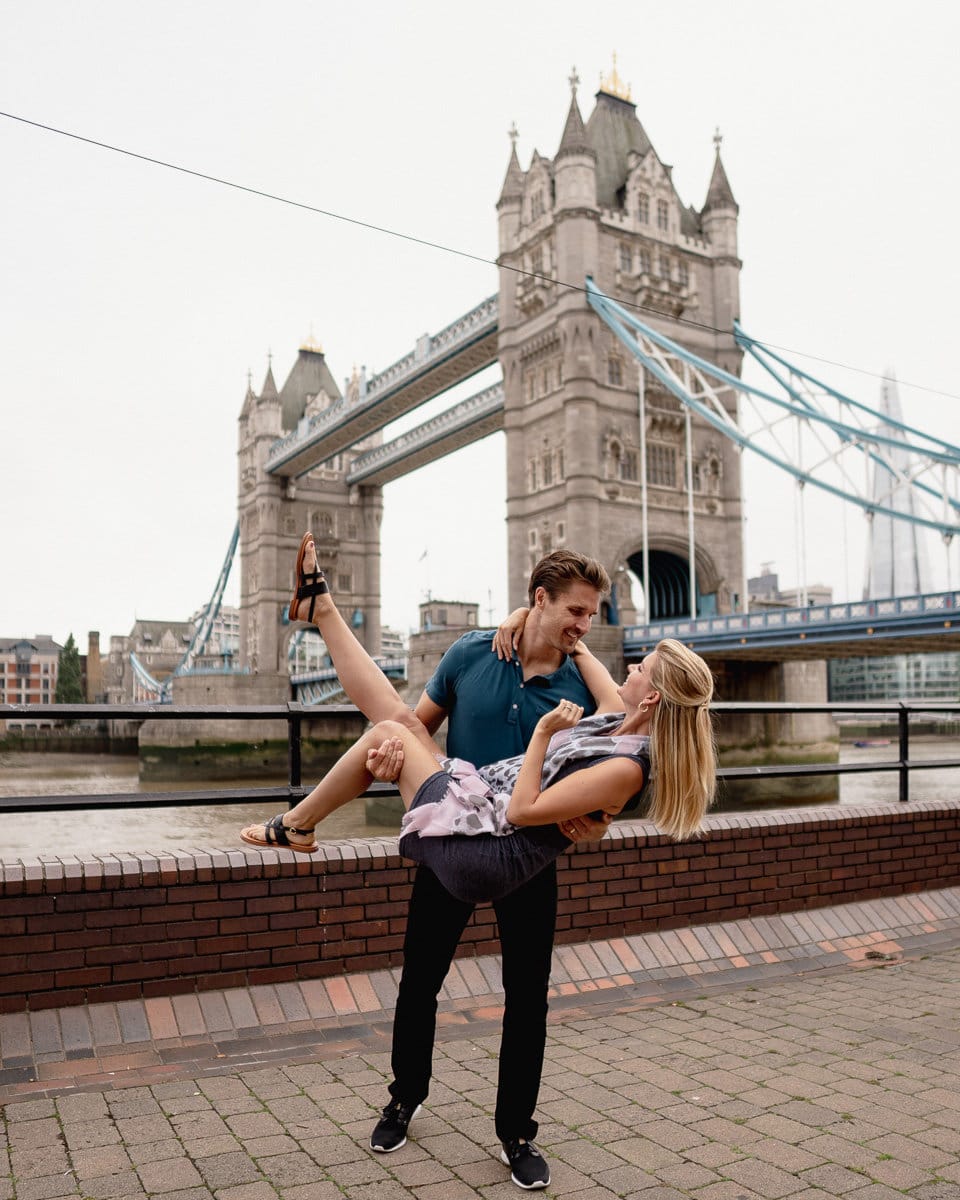
Summer in London - Best Time to Visit England
England in Summer – June through August
The best time to visit England for good weather and festivals, the worst time for crowds and prices
Summer is not the best time to visit England…the crowds are annoyingly high. And while there is a higher chance of pleasant weather in summer compared to other months, warm, sunny weather is not a guarantee.
If you’ve visited the UK, I’m sure you learned pretty quickly that the weather is unreliable and does not offer your typical "summer" weather.
While June through August in England offer a good chance of experiencing a typical summer day, it's not something you can assume will be guaranteed.
For example, I spent the entire month of August in England, and there were more cold, cloudy, rainy days than warm and sunny. I think I experienced a total of five days where the temperature rose over 60 degrees. I wore a "fall" wardrobe the majority of the trip.
You have to be prepared if you're doing a quick trip, that the entire week you visit may never be warmer than 60 degrees. Or maybe you hit a heatwave where it’s in the 90s and unbearably humid. You just don’t know, and you have to be ready for anything.
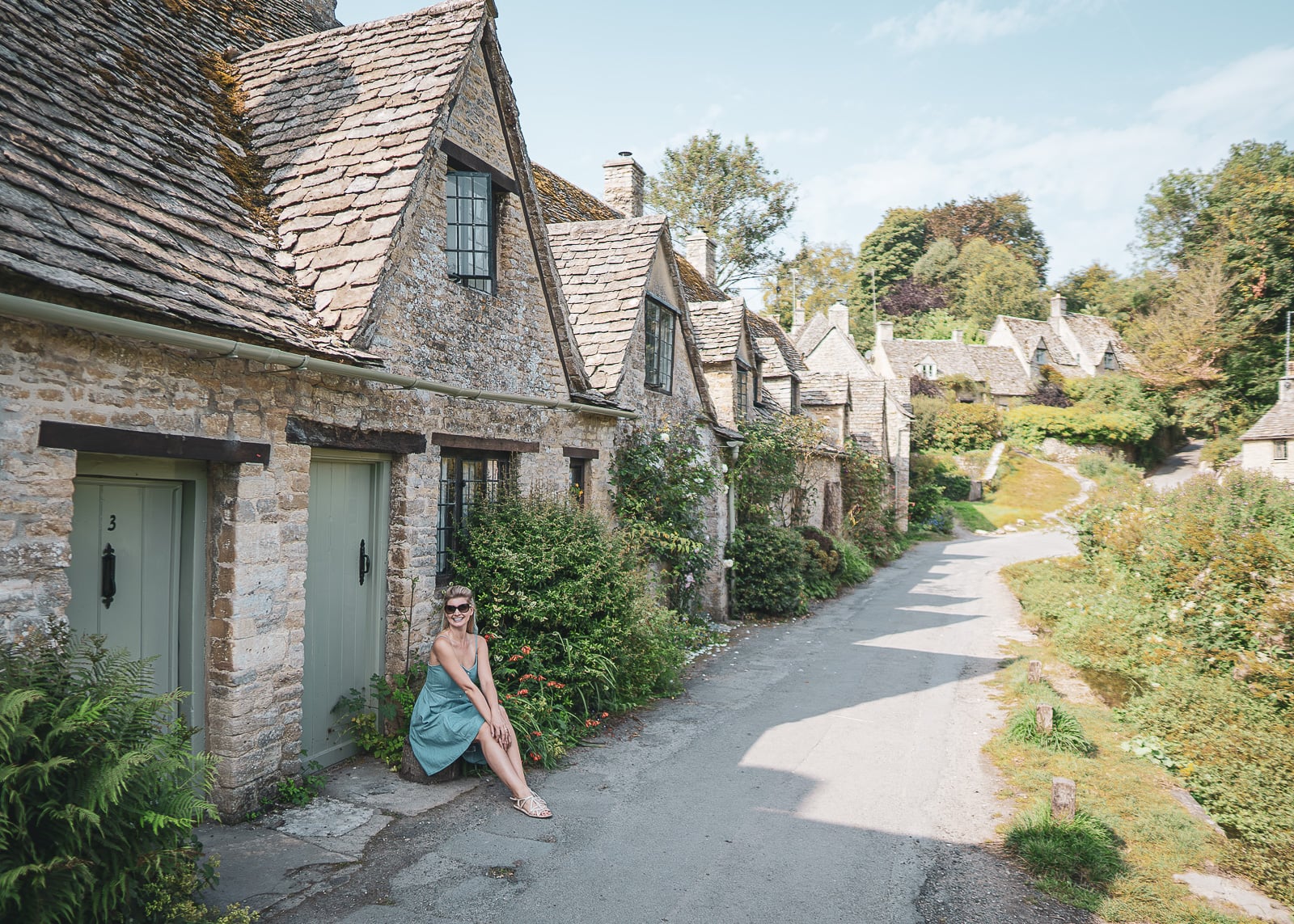
Cotswolds in August during a 5 day 90+ degree heatwave, then back to 50s/60s
You may be thinking, “So what, unpredictable weather doesn’t sound terrible”. But you have to think about what summer means crowd and price-wise.
Massive crowds equal high hotel prices. Between school breaks, tourists on summer holiday, and festivals, June, July, and August are the busiest months of the year.
If you were guaranteed perfect summer weather, then maybe dealing with the crowds would be worth it…you wouldn’t mind overpaying for your hotel or squishing yourself onto the overcrowded Tube.
Unfortunately, when it comes to the UK, you aren't guaranteed warm sunny days. So why battle the rush of tourists? This is why I recommend skipping the summer months and visiting in early fall or late spring.
If you plan to visit England in summer, I highly recommend visiting as early as possible. The crowds really pick up in July since that’s when kids get out of school.
Early to mid-June is the best time to visit England in summer.
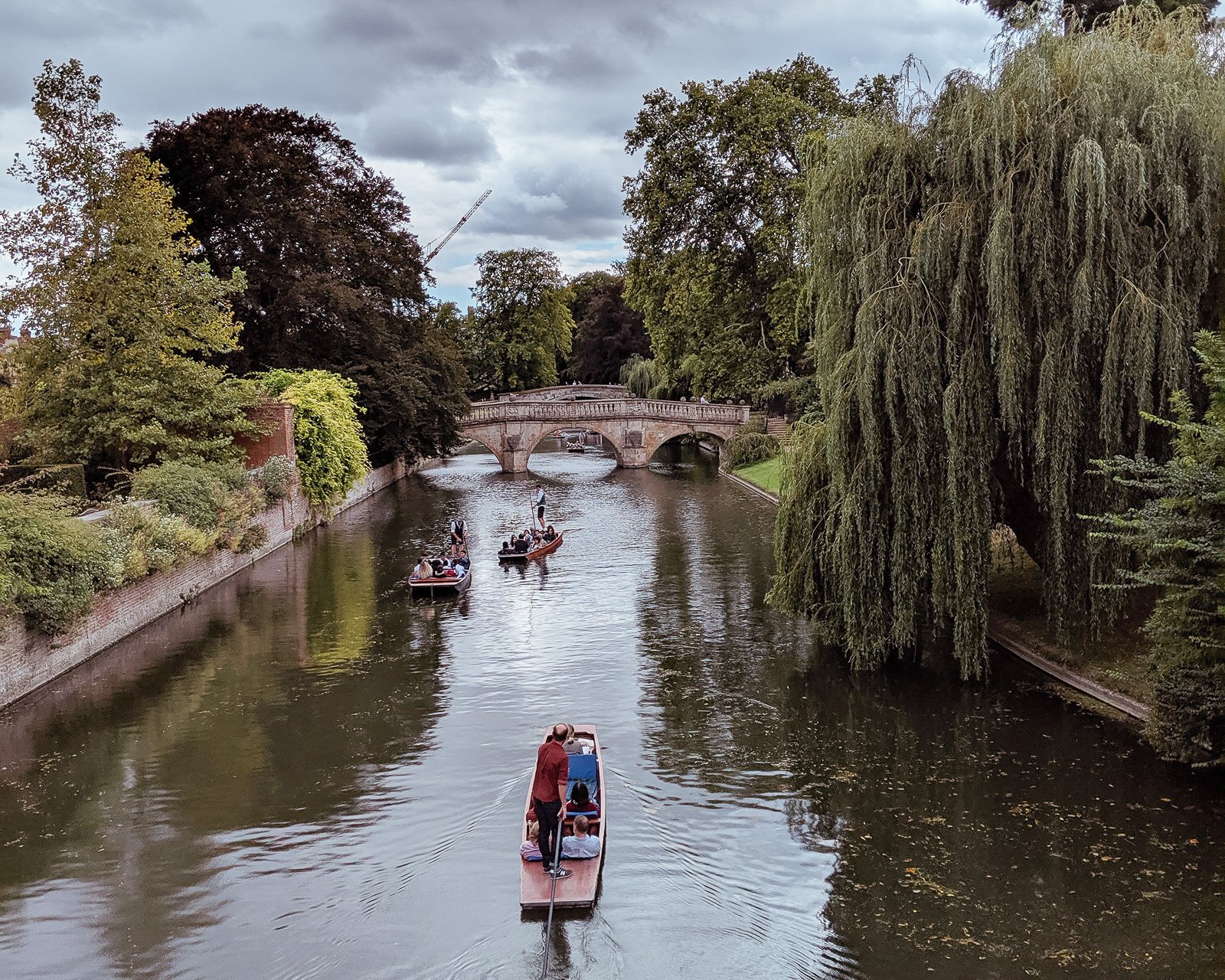
Cambridge - - BEST Time to Visit England | Ideal Months and Seasons
Events in England in Summer
Be sure to research the festival calendar for whatever city you’re visiting in England.
The summer months are jam-packed with events. It’s important to be aware of what events are happening and where, so you can decide if you’d like to attend or avoid.
In June, we have Trooping the Colour (a massive parade to mark the Sovereign's official birthday), Stonehenge Summer Solstice, the Glastonbury Festival of indie pop music in Somerset, Taste of London, and the Royal Ascot horse races near Windsor.
The Wimbledon Championships are usually in late June/early July. Notting Hill Carnival takes place in August, along with the Bristol International Balloon Fiesta.
Visit Great Britain lists the biggest annual events in Britain.
Weather in England in Summer
To give an idea of weather, I’ll focus on London. Other popular cities like Oxford, Bath, Cambridge, and York are usually a few degrees cooler than London.
Expect mid-50s to low-70s with an average of 7 rainy days each month. Perfect sightseeing weather without sweating through your shirt.
My biggest advice is to continue checking the weather until the day you leave for your trip. Some summers I've experienced a hot and muggy heat wave, while other summers felt like a cool fall. You never know with England.
Another perk of summer is the very long days with 16+ hours of daylight between sunrise and sunset.
What to wear in England in Summer
Dress in layers because when the sun shines, it's hot!
I'll often need a light jacket in the morning, but by the afternoon, a T-shirt is fine. For a typical London summer, I'll stick to cropped jeans and a T-shirt or a skirt paired with a long-sleeve shirt.
The only times I've opted for dresses, shorts, and sandals were during heatwaves.
See Also:
UK ITINERARY – 10 DAYS IN LONDON, YORK, EDINBURGH
CAFES IN COVENT GARDEN | TOP 5 COFFEE SHOPS
LONDON 4 DAY ITINERARY + TOP SIGHTS

London in September - Best Time to Visit England

York in September - Best Time to Visit England
Fall in England – September through November
The best time to visit England for manageable crowds and crisp (maybe damp) sightseeing weather
Early fall is my absolute favorite time for a trip to the UK. Specifically, mid to late September and early October.
Kids go back to school at the end of August, which significantly helps with crowd levels.
The further you go into fall, the lower the crowds will be. You’ll be able to find lower hotel rates and have a better chance of getting into restaurants, tourist attractions, and snag tickets to musicals and plays.
One surprising fact about fall is that the weather in September in England is often warmer and drier than in August! Leaves start to change color in mid to late September, and autumn is in full swing by October.
This would be a lovely time to explore the countryside, like the Cotswolds, to take in the scenery.

Stonehenge in mid-September - - BEST Time to Visit England | Ideal Months and Seasons
Weather in England in Fall
Temperatures in the low-50s to high-60s are typical for weather in England in September. High-40s to low-60s is the average range for October, and mid-40s to low-50s in November.
The rain tends to pick up starting in October.
Fall sees an average of 9 to 10 rainy days each month.
Overall, the weather is more than comfortable to sightsee. Just make sure you have a few indoor activities planned for times when it's rainy. Though you may be surprised at how mild and dry it is if you visit in early fall!
Fall has its fair share of events…though not nearly as many as summer, and many of these events are smaller in size.
In September, we have the Jane Austen Festival in Bath, London Fashion Week, and the York Food and Drink Festival.
November 5th, known as Guy Fawkes night, is celebrated across England with bonfires and fireworks to commemorate the failed Gunpowder Plot to blow up the Houses of Parliament.
Christmas events and markets start to open in late November. This would be a great time to experience the Christmas markets before they become packed in December.
Between the lower crowd levels and crisp (sometimes damp) autumn weather, mid-September to mid-October is the best time to visit England.
WHAT TO WEAR IN ENGLAND IN fall
London in the fall tends to be very cool, especially if it's raining/damp. Check the weather before you leave, as it can vary.
I usually wear ankle-length skinny jeans with a long-sleeve shirt or light sweater.
More often than not, I'll have a light jacket on me (a down or down alternative so I can stuff it in my backpack when it warms up).
In early fall/September, I typically opt for a light jacket like this Athleta Bomber, this Lululemon Effortless Jacket, or a basic down alternative jacket.
Come late October and November, I'll usually pack a real down jacket for extra warmth. The Canada Goose Abbott hoody is my favorite option (I run on the cold side). A good alternative is the Lululemon Pack it Down Jacket.
Ankle booties and tennis shoes are perfect footwear for fall.


London in December - BEST Time to Visit England | Ideal Months and Seasons
Winter in England – December through February
The best time to visit England for Christmas markets (December) and the lowest prices of the year (January and February)
England during the holidays is magical. While many tourists rush to countries like Germany, where the traditional Christmas markets originated, cities like London, York, and Bath have plenty of Christmas cheer to go around.
London has almost too many Christmas markets to keep track of. From small and charming to larger than life, you won’t be disappointed.
The light displays are some of the best I’ve seen in the entire world! Skate under a palace, listen to carols at Trafalgar Square, knock out your Christmas shopping list in SoHo, attend a Christmas-themed afternoon tea…London really is one of my favorite places to visit during the holiday season.
I’ve written a detailed post on the best things to do if you visit London in December.
Cities like Bath, Cambridge, and York all have Christmas markets as well. While they may be smaller in scale, I find these to be more charming.
There will be crowds during the Christmas rush, but it’s not as crowded as summer, and I'm always able to find great hotel deals in December.
It will be the most crowded and expensive at the beginning of the month. The closer you get to Christmas, the less crowded it will become since tourists go home to spend Christmas and NYE at home.
Taking the holiday season aside, January and February are the best time to visit England if you want the best hotel deals and lowest crowd levels.
After the holidays, everyone heads home. Kids go back to school, and popular cities around England feel more “local” and less “touristy”. You won’t have a problem finding a seat at restaurants, and many tourist attractions will have surprisingly low queues.
There is also something to be said about how cozy pubs and bed and breakfasts feel during the winter months. You might just find yourself enjoying the cold, dreary weather as you sit by the fire and sip your tea or tuck into hearty English dishes like steak and ale pie.
The winter season has a few events outside of the Christmas season. London Fashion Week and the Jorvik Viking Festival (in York) are in February.
York blog posts:
BEST COFFEE SHOPS IN YORK, UK | TOP 5
TOP YORK ATTRACTIONS | 10 BEST THINGS TO DO IN YORK, ENGLAND
Weather in England in Winter
While England is no mild Italy or Spain, it's not as cold as places like Germany and Austria in winter. Rain is likely, and snow is rare. If it does snow, it's usually in the northern cities (not London) and comes as a light dusting.
December through February sees temperatures in the high-30s to high-40s. Some days it feels colder than the temperature reads because of the heavy cloud coverage and damp air. On dry days when the sun decides to come out, you may find yourself ditching your coat for a thick sweater and jeans.
Per usual with England, always have your umbrella, as this season brings similar rain levels as fall, with 6 to 9 rainy days a month.
What to wear for winter in England
For those who run on the cold side (like me), I recommend bringing your warmest winter coat.
I splurged on the Canada Goose Aurora Parka two years ago. It was worth every penny and perfect for traveling around England in winter. This coat keeps me toasty in freezing conditions, doesn't overheat in mild conditions, and is also lightweight and water-resistant.
If you run on the warmer side, something like the Abbott Hoody should be fine as long as you layer with sweaters and scarves.
While it's not usually cold enough to require winter hats or earmuffs, I do always have some gloves and maybe a faux-fur headband.
As for under your coat, I stick to jeans (often black) with a sweater. If I want to bump it up a bit for dinner or an afternoon tea, I'll wear a long sweater dress paired with thick, wool tights.
I opt for natural fabrics, like wool and cashmere, as much as possible because they are warmer than synthetic materials. While cashmere can get quite expensive, Nordstrom has a crewneck and v-neck cashmere sweater that I love for $100

York Minster - BEST Time to Visit England

The Shambles in York - Best Time to Visit England
England in Spring – March through May
The best time to visit England for colorful landscapes and decent crowds
Early spring is the best time to visit England if you don’t mind cold and dreary weather in favor of fewer crowds. The later you get into spring, and the warmer the weather gets, the more crowded it will become.
May is my personal favorite and the best time to visit England for the perfect mix of decent sightseeing weather and manageable crowds. Late spring also means the country will be bursting with color as everything is in bloom.
If you do visit in May, check UK bank holidays. There are two bank holidays in May (beginning and end of May), which means there will be heavier crowds. Try to plan your trip around these holidays.
March and April have a pretty empty festival and events calendar. The Oxford and Cambridge Boat Race, one of the oldest sporting events in the world, is in March, and the London Marathon is in April.
May picks up a bit with the Bath Festival, Chelsea Flower Show, and Bath Fringe Festival.
Weather in England in Spring
Spring brings an average of 7 rainy days each month. March and April see temperatures in the low-40s to mid-50s. May is much more enjoyable with temperatures in the low-50s to low-60s.
My personal advice is that if you’re going to visit when it’s cold (March through early April), go in winter when things are brightened up a bit with holiday cheer. All the decorations and events make bearing the cold worth it.
March and early April have always been a bit depressing for me since the weather is pretty darn cold and gray this time of year.
Or wait until early May when things start warming up, and you have a higher chance of a sunny day.
What to wear in England in Spring
You'll most definitely want a warm coat in March, possibly April as well, as it can feel quite chilly with the damp air. Per usual, check the weather before you leave, as it can vary.
I typically wear jeans and a sweater in March and April. A light down or down alternative coat (hip length) will be your best bet since you can squish those into your bag if/when it warms up.
Come May, I'm usually in jeans and a long-sleeve or T-shirt and will often have a light jacket for the mornings and evenings.
- Canada Goose Abbott hoody - my favorite hip-length down jacket (I run on the cold side).
- Lululemon Pack it Down Jacket - a good alternative for a warmer down jacket.

Covent Garden - BEST Time to Visit England | Ideal Months and Seasons
In Summary
I hope this post helps you decide the best time to visit England for your upcoming trip. In summary, my favorite times to visit are late May through early June and September through early October.
These months offer the ideal mix of good sightseeing weather and fewer crowds.
The Christmas season is also a memorable time of year to visit England with all the Christmas markets and special events.
I personally try to avoid summer because of the crowds, late winter (after Christmas), and early spring because the weather can be a drag.
SHARE THE LOVE AND SAVE THIS POST ON PINTEREST!
BEST Time to Visit England | Ideal Months and Seasons


